


Ayodhya is one of India’s most significant spiritual destinations, attracting pilgrims and travellers interested in its temples, sacred traditions, historic sites and religious heritage. With the growing interest in exploring the city’s spiritual attractions, an Ayodhya pilgrimage tour can offer an opportunity to experience several important destinations in a single journey.
While Ram Mandir is a major attraction, Ayodhya has much more to explore. From revered temples and sacred ghats to the Saryu River and traditional spiritual experiences, the city offers a journey that goes beyond a single landmark.
Planning your itinerary carefully can help you experience Ayodhya comfortably while allowing enough time for temple visits, sightseeing and moments of reflection.
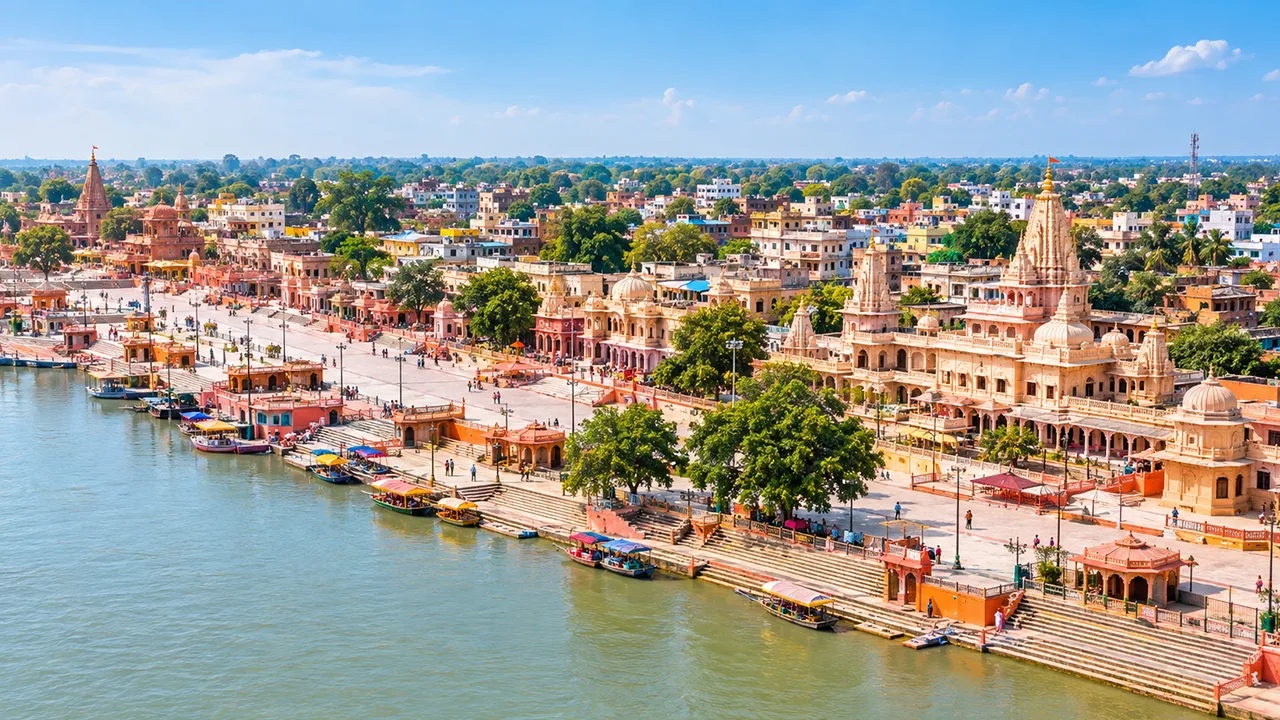
Why Choose an Ayodhya Pilgrimage Tour?
Ayodhya’s spiritual importance comes from its long association with Hindu religious traditions and the many temples and sacred locations found across the city.
An Ayodhya pilgrimage tour can include:
- Ram Mandir
- Hanuman Garhi
- Kanak Bhawan
- Saryu River and its ghats
- Nageshwarnath Temple
- Other important temples and spiritual places
- Local cultural experiences
Rather than visiting one attraction and returning, travellers can create an itinerary that connects several destinations across Ayodhya.
Begin With Ram Mandir
Ram Mandir is an important part of a modern pilgrimage to Ayodhya. Visitors planning their journey should check the latest official information regarding visitor arrangements, entry procedures, timings and other requirements before travelling.
Because arrangements can change, it is advisable to rely on official sources for current information rather than older travel information.
The temple visit can be combined with other nearby spiritual attractions to create a more complete Ram Mandir pilgrimage.
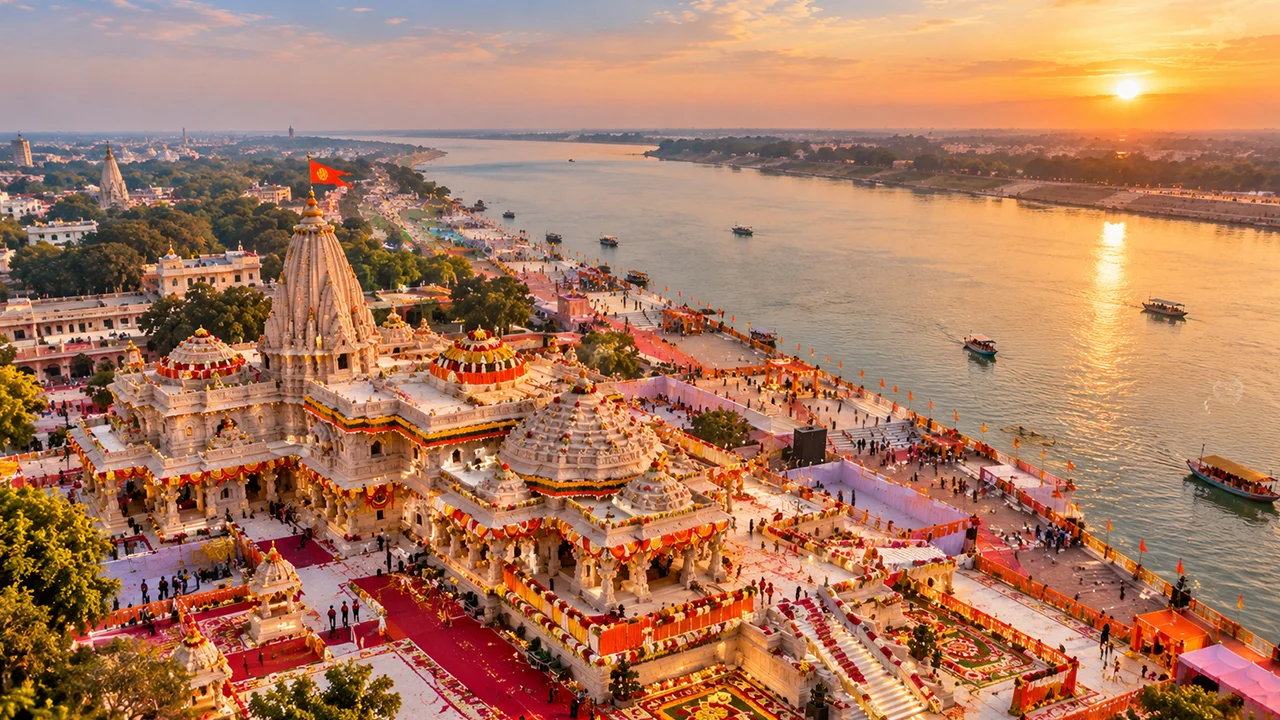
Explore the Sacred Temples of Ayodhya
Ayodhya’s spiritual character extends beyond Ram Mandir.
Hanuman Garhi
Hanuman Garhi is one of the well-known religious sites in Ayodhya. Its temple traditions make it an important stop for pilgrims exploring the city’s spiritual heritage.
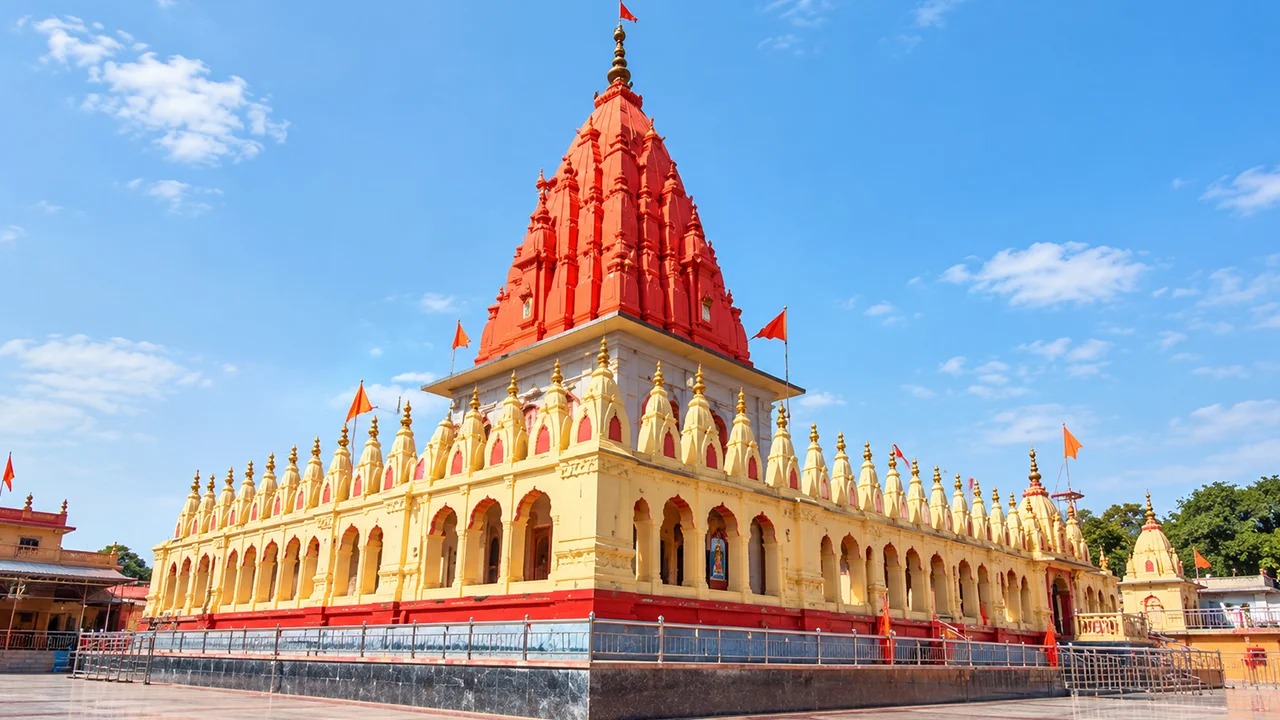
Kanak Bhawan
Kanak Bhawan is another prominent temple associated with Ayodhya’s religious traditions. Its architecture and devotional atmosphere make it a popular part of temple sightseeing.
Nageshwarnath Temple
Nageshwarnath Temple is associated with Shiva worship and adds another dimension to an Ayodhya temple tour.
Including multiple temples in your itinerary allows you to experience different aspects of Ayodhya’s religious landscape.
Experience the Saryu River
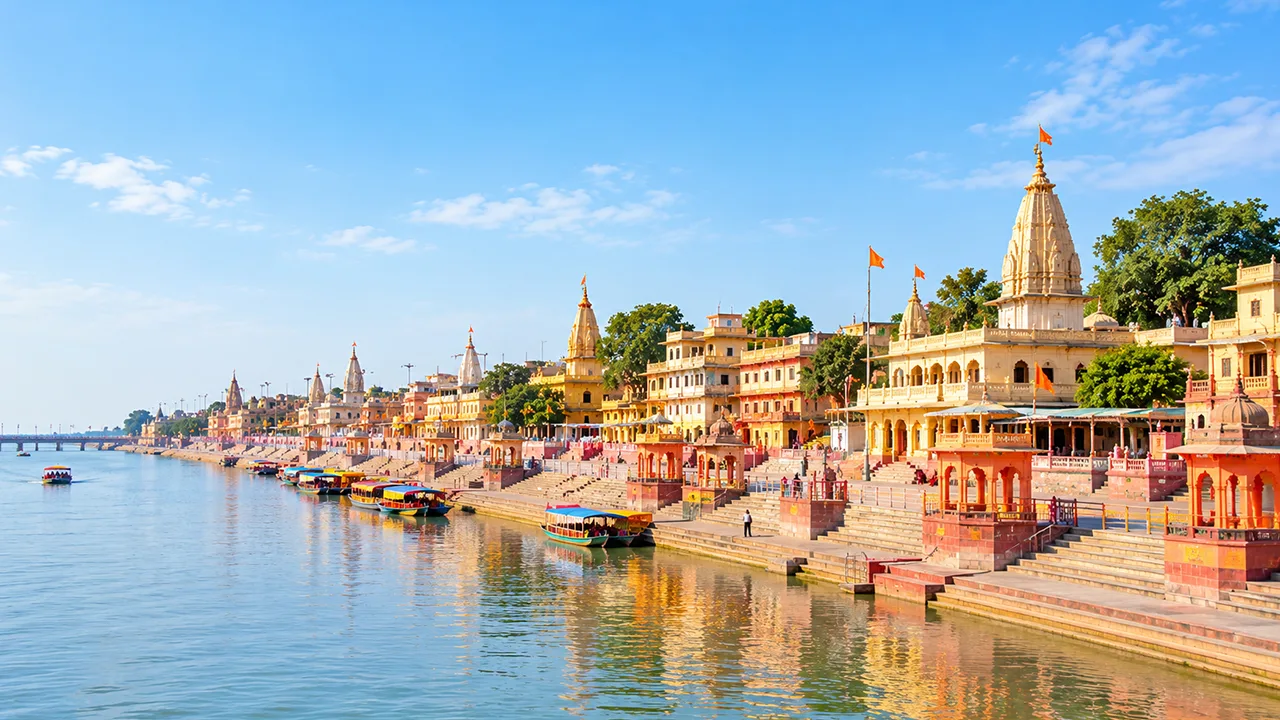
The Saryu River is closely connected with Ayodhya’s spiritual identity.
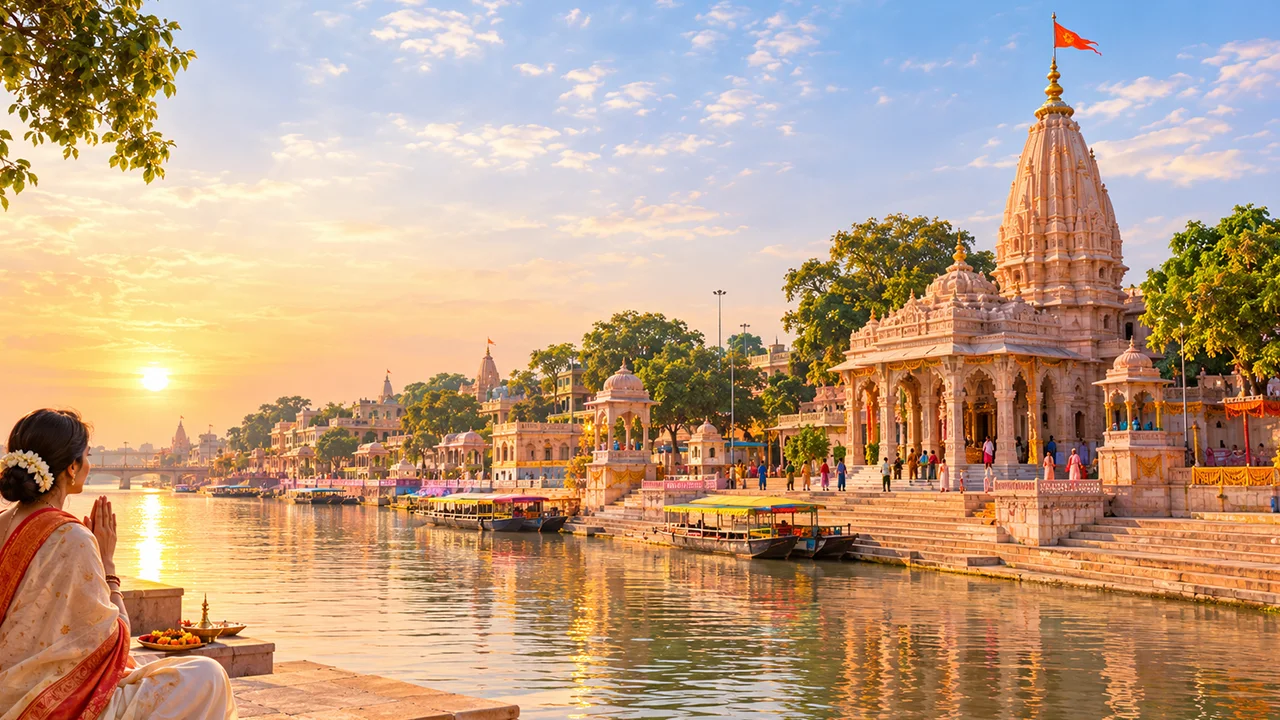
Travellers can visit the riverfront and ghats, particularly around traditional prayer and devotional activities. Depending on the season and local arrangements, visitors may also experience the atmosphere around evening religious ceremonies.
The riverfront provides a peaceful contrast to temple sightseeing and can be included in a balanced Ayodhya spiritual tour.
Create a Comfortable Ayodhya Pilgrimage Itinerary
A well-planned itinerary should avoid trying to visit every destination in a single day.
A simple multi-day plan could look like this:
Day 1: Arrival and Local Exploration
Arrive in Ayodhya, check into your accommodation and explore nearby spiritual attractions according to your schedule.
Day 2: Major Temple Visits
Plan your main temple visits, including Ram Mandir and other important religious destinations, while allowing sufficient time for local travel and queues where applicable.
Day 3: Saryu and Additional Attractions
Explore the Saryu River, ghats and any remaining attractions that interest you before continuing your journey or departing.
The exact schedule should be adjusted according to temple timings, visitor arrangements and your travel dates.
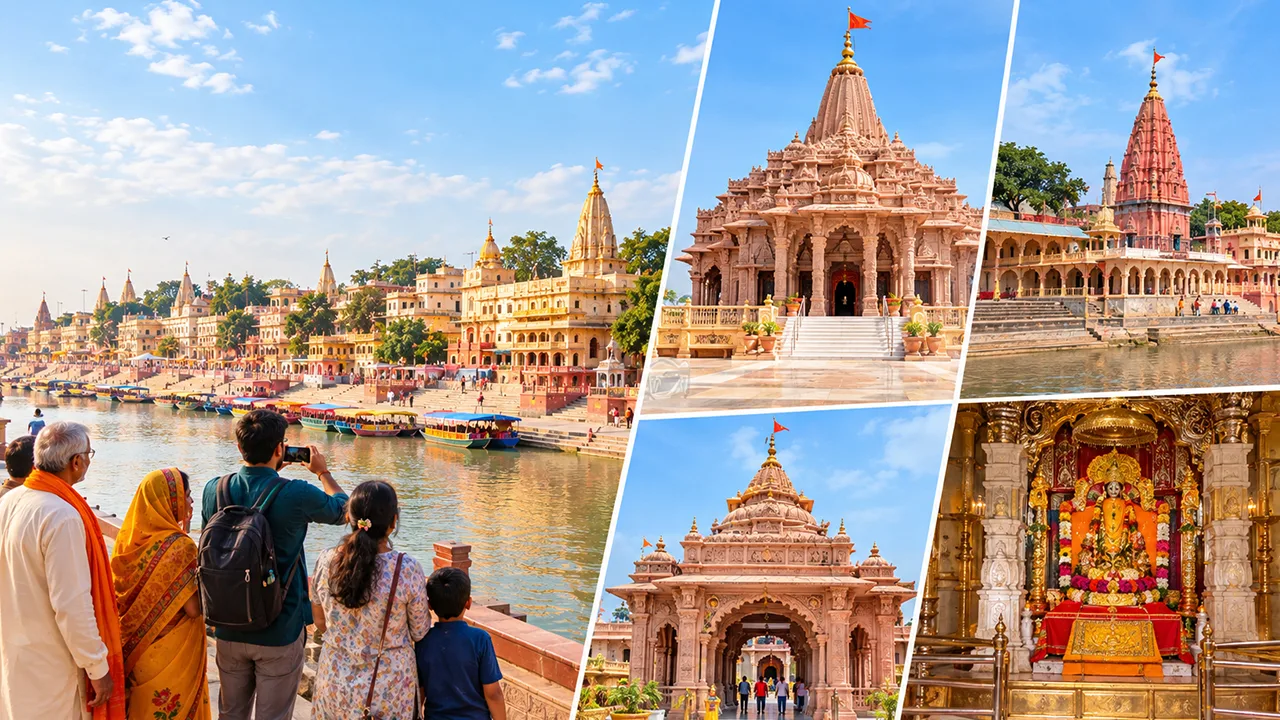
Ayodhya Pilgrimage for Families
Ayodhya can be visited by families, including multi-generational groups. However, pilgrimage travel can involve walking, waiting and busy areas, so planning around the needs of children and older family members is important.
Consider:
- Comfortable accommodation
- Convenient transportation
- Adequate rest time
- Flexible sightseeing
- Suitable meal breaks
- Avoiding an overly packed itinerary
A relaxed approach can make the journey more enjoyable for everyone.
Best Time to Plan an Ayodhya Pilgrimage
The ideal travel period depends on your personal preferences, weather conditions, religious occasions and expected visitor levels.
Festival periods and important religious dates can attract large numbers of pilgrims. Travellers visiting during such periods should plan accommodation and transportation in advance and check current local arrangements.
For a quieter experience, some travellers may prefer dates outside major festivals, subject to their own schedule.
Travel Tips for Your Ayodhya Temple Tour
Before starting your Ayodhya pilgrimage, keep these practical points in mind:
- Check official temple information before travelling.
- Confirm current entry and visitor arrangements.
- Book accommodation according to your preferred location.
- Keep comfortable footwear for sightseeing.
- Carry essential personal items.
- Allow extra time for busy temple areas.
- Keep your itinerary flexible.
- Respect local religious customs.
- Avoid planning too many attractions in one day.
These simple preparations can make the journey more comfortable.

How to Plan Your Ayodhya Spiritual Tour
An Ayodhya pilgrimage tour can be planned independently or through a travel agency depending on your preferences.
Independent travellers may prefer flexible schedules, while families and groups may appreciate coordinated accommodation, transportation and sightseeing.
A customized travel plan can combine:
- Temple visits
- Spiritual attractions
- Local sightseeing
- Comfortable accommodation
- Transportation
- Family-friendly arrangements
For travellers looking for organized and customized spiritual journeys, Pikme spiritual travel experiences can be considered when planning an Ayodhya trip.
Make Your Ayodhya Journey More Meaningful
A pilgrimage is not only about visiting famous places. Taking time to understand the stories, traditions and spiritual significance associated with Ayodhya can add depth to the journey.
Visitors can combine temple visits with time at the Saryu River, local cultural experiences and exploration of the city’s historic religious landscape.
This approach creates a more balanced experience rather than treating the trip simply as a sightseeing itinerary.
Final Thoughts
An Ayodhya pilgrimage tour offers an opportunity to explore one of India’s important spiritual destinations through temples, sacred places, riverfront experiences and religious traditions.
Ram Mandir may be a central part of the journey, but Ayodhya’s spiritual character extends across many temples and locations.
With thoughtful planning, suitable accommodation, flexible schedules and attention to current visitor information, travellers can create a comfortable and meaningful pilgrimage experience.
Frequently Asked Questions
What is included in an Ayodhya pilgrimage tour?
Depending on the travel plan, an Ayodhya pilgrimage tour may include temple visits, accommodation, transportation, sightseeing and itinerary planning.
Which temples should I visit in Ayodhya?
Ram Mandir, Hanuman Garhi, Kanak Bhawan and Nageshwarnath Temple are among the important religious sites that travellers can consider.
How many days are enough for an Ayodhya pilgrimage?
Two to three days can provide time to explore several major attractions, although the ideal duration depends on your travel preferences and itinerary.
Can families visit Ayodhya for a pilgrimage?
Yes. Families can plan an Ayodhya pilgrimage with comfortable accommodation, convenient transportation and a relaxed sightseeing schedule.
Should I check temple information before travelling? Yes. Visitor arrangements, timings and entry procedures can change, so checking official information close to your travel date is recommended.
