


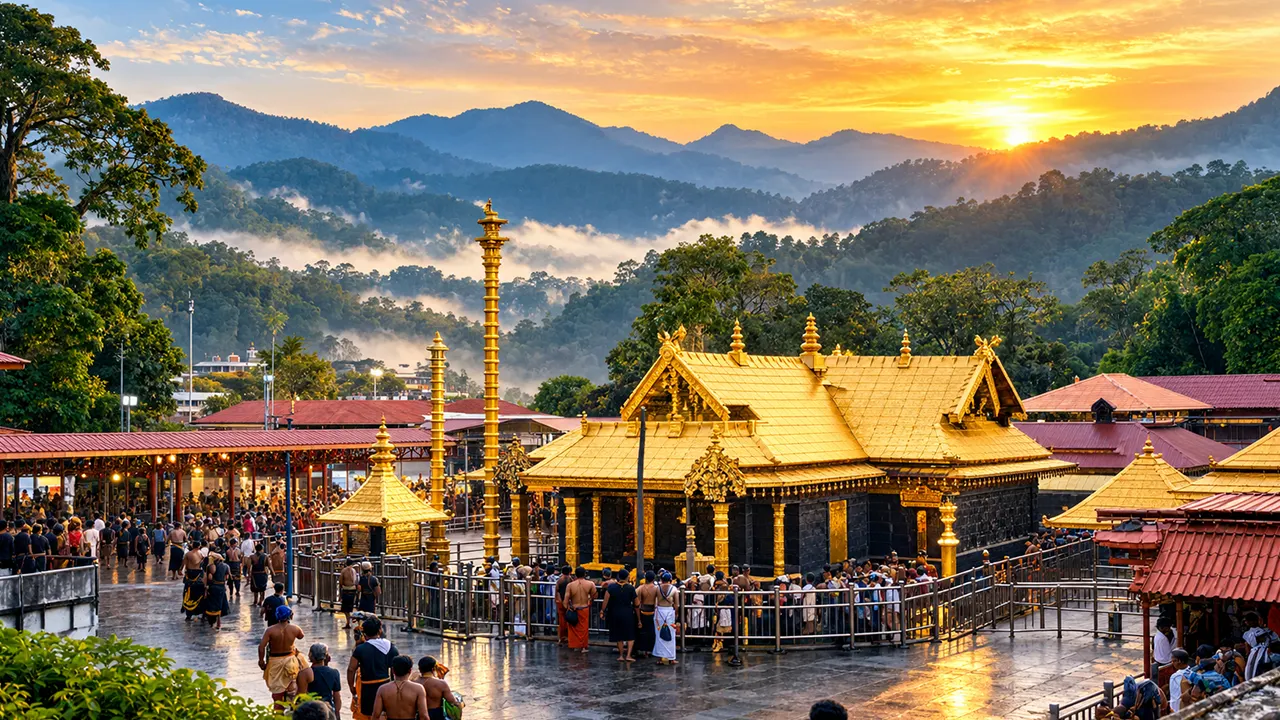
Sabarimala Ayyappa Temple is one of the most revered pilgrimage destinations in Kerala and an important spiritual centre for devotees of Lord Ayyappa. Situated on a hilltop in Pathanamthitta district, the temple is known for its distinctive pilgrimage traditions, spiritual discipline, forest surroundings and the devotion of millions of pilgrims.
A Sabarimala pilgrimage is different from an ordinary temple visit. Devotees traditionally prepare themselves through a period of discipline known as Vrutham, undertake the journey to Sannidhanam and participate in sacred rituals associated with Lord Ayyappa. The temple is open during specific pilgrimage and festival periods rather than throughout the entire year.
For anyone planning an Ayyappa pilgrimage, understanding the traditions, routes and practical requirements can make the journey more meaningful and comfortable.
Why Is Sabarimala Ayyappa Temple Important?
The Sabarimala Ayyappa Temple is dedicated to Lord Ayyappa, also known as Dharma Sastha. The temple stands at an elevation of around 3,000 feet on Sabarimala hill in Pathanamthitta district.
One of the distinctive aspects of the pilgrimage is its emphasis on simplicity, discipline and devotion. Pilgrims traditionally undertake Vrutham before travelling to the temple, making the journey both a physical and spiritual experience.
Sabarimala also has a unique association with religious harmony through Vavar Nada, connected with Vavar, who is traditionally regarded as a close companion of Lord Ayyappa.
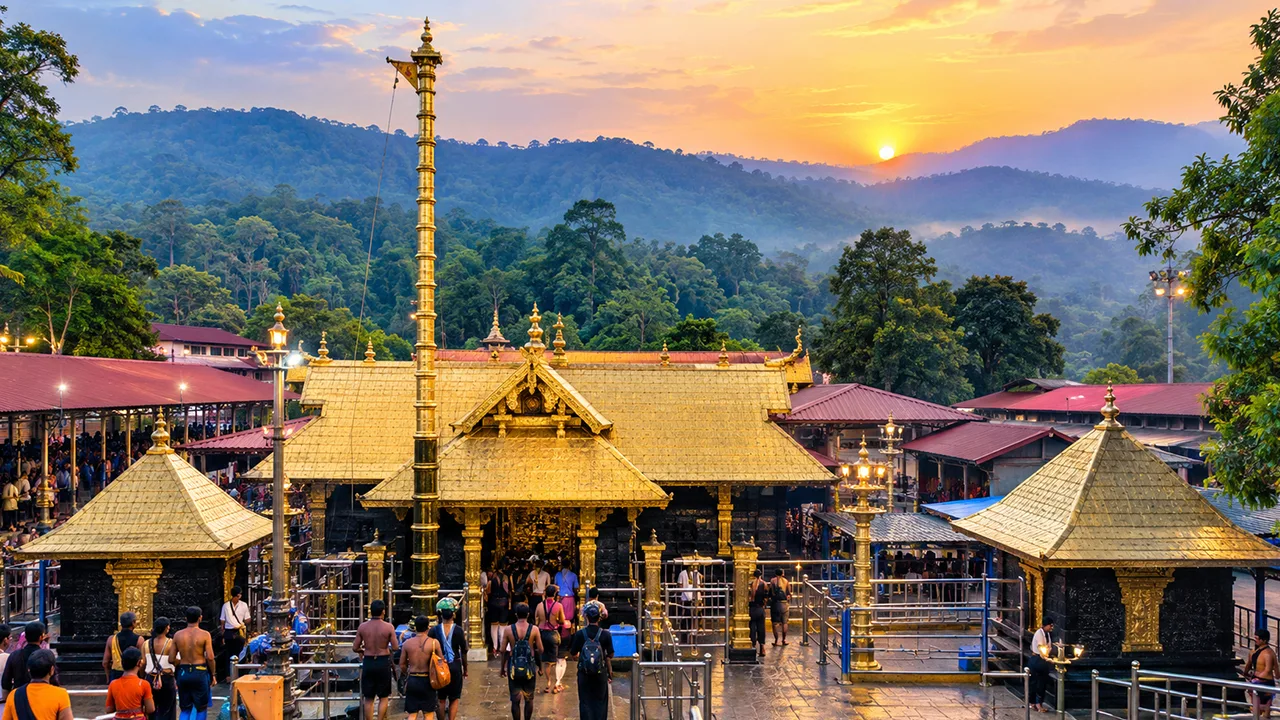
Mandala Vrutham: The Traditional Preparation
One of the most important parts of the Sabarimala Yatra is Mandala Vrutham.
The traditional period of Vrutham lasts for 41 days. During this period, devotees follow a simple and disciplined lifestyle and avoid practices considered inconsistent with the pilgrimage.
The beginning of the Vrutham is associated with wearing the Mala, usually with the guidance of a temple priest or Guru Swami. The official Sabarimala guidance describes the period as one of self-control, prayer and simple living.
For devotees, this preparation is not simply a travel requirement. It represents an opportunity to develop discipline, devotion and spiritual focus before reaching the temple.
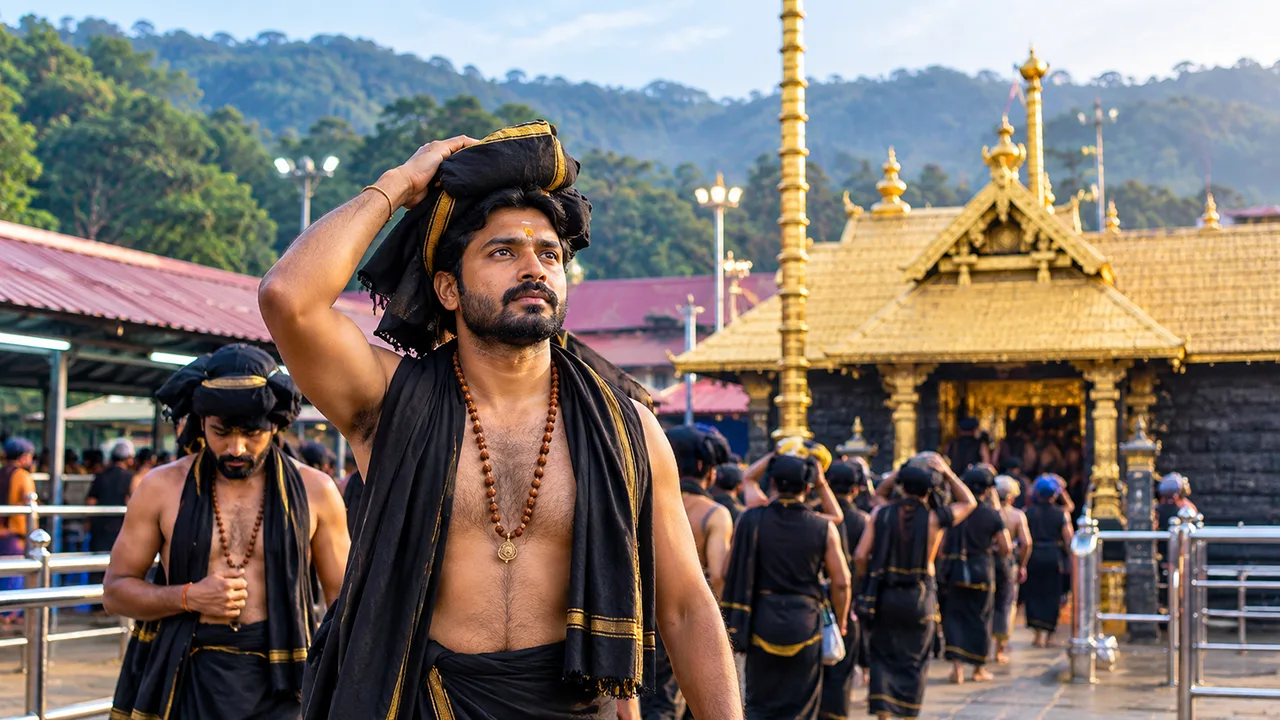
Irumudi Kettu and the Sacred Journey
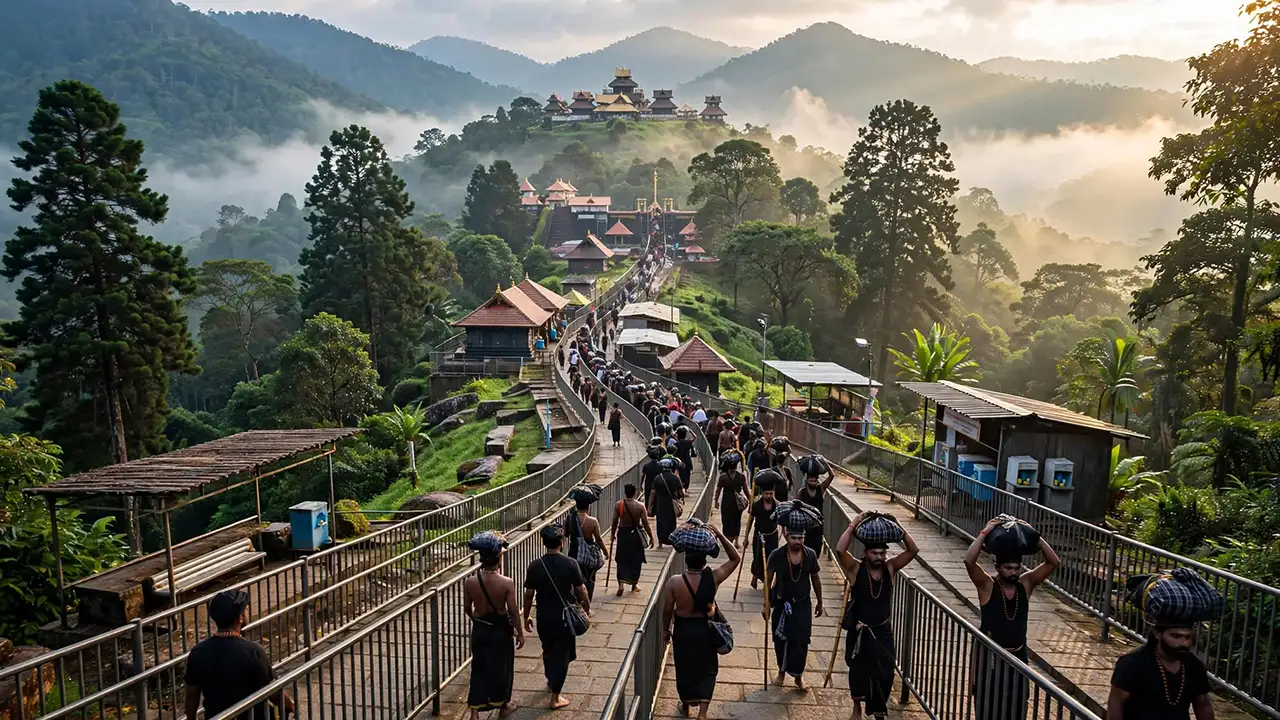
Irumudi Kettu is another important tradition associated with the Sabarimala pilgrimage.
It is a sacred bundle prepared under the guidance of a Guru Swami and carried by pilgrims during their journey. The preparation includes offerings associated with Lord Ayyappa.
According to the official Sabarimala information, devotees carrying the Irumudi Kettu are traditionally permitted to climb the Pathinettampadi, the sacred eighteen steps leading towards the temple. Other devotees use an alternative route to reach the area in front of the sanctum.
The ritual preparation and journey therefore form an important part of the spiritual experience.
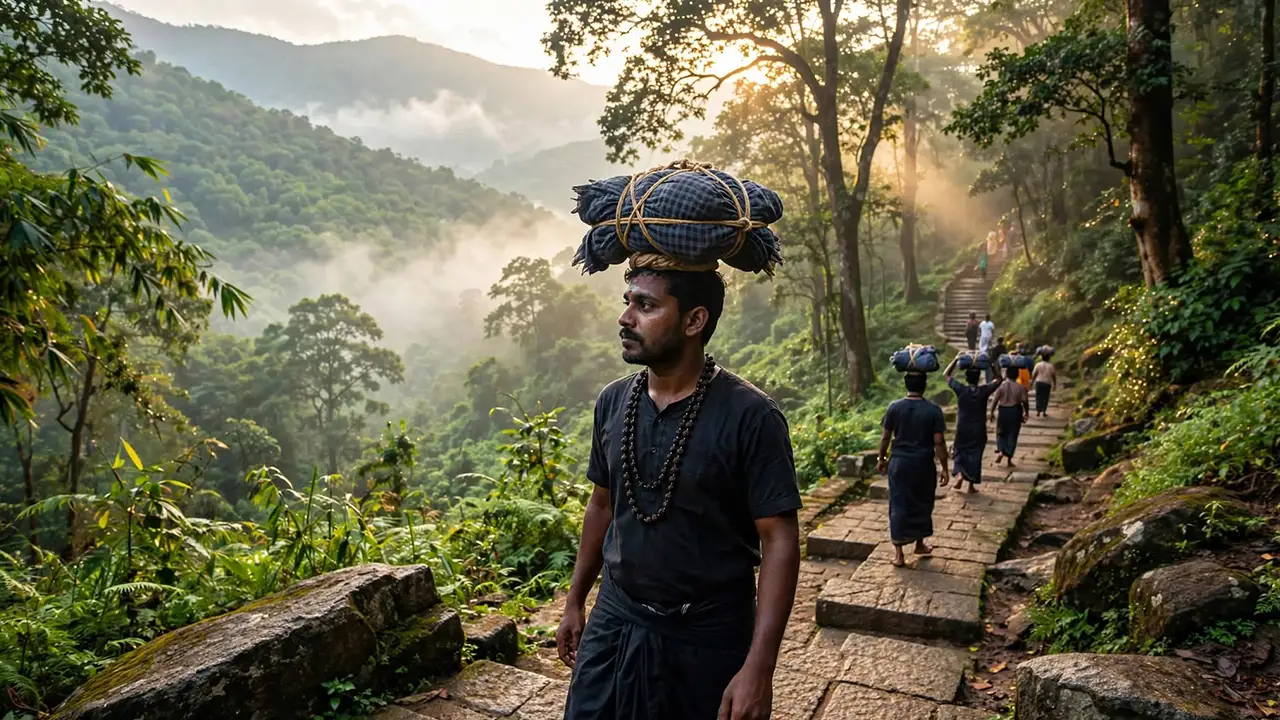
Pathinettampadi: The Sacred Eighteen Steps
The Pathinettampadi, or eighteen sacred steps, is one of the most iconic elements of the Sabarimala Temple experience.
Pilgrims approach the sacred steps as part of their journey towards the sanctum. Devotees are expected to follow the queue system and the instructions provided at the temple.
The official guidelines also advise pilgrims not to kneel on the sacred steps, not to break coconuts on the steps and to follow designated areas for such rituals.
The experience of approaching the steps is deeply meaningful for many devotees and represents one of the most memorable moments of an Ayyappa pilgrimage.

Pampa: The Starting Point for Many Pilgrims
Pampa is an important base point for pilgrims travelling to Sannidhanam.
From Pampa, devotees undertake the climb towards the temple. The journey requires physical preparation, particularly for first-time pilgrims and older travellers.
The official Sabarimala guidance recommends taking regular rest during the climb and checking the prevailing crowd situation before proceeding from Pampa towards Sannidhanam.
Pilgrims should therefore plan their journey at a comfortable pace rather than treating the trek as a race.

Traditional Sabarimala Routes
There are several routes associated with the Sabarimala pilgrimage.
The Erumeli route is traditionally regarded as the most significant and challenging pilgrimage route. The official Sabarimala site describes it as the traditional path associated with Lord Ayyappa’s journey and notes that it passes through forest and hill terrain.
Other routes include the Vandiperiyar route and the Chalakayam route.
For first-time visitors, route selection should take into account fitness, age, available time and the current pilgrimage arrangements.

Important Rituals at Sabarimala
A visit to Sabarimala Ayyappa Temple involves several important rituals and offerings.
One of the prominent offerings is Neyyabhishekam, in which ghee from a ghee-filled coconut is used for the ritual. The official temple schedule lists Neyyabhishekam among the important daily offerings during the pilgrimage season.
Other rituals include Ashtabhishekam, Kalabhabhishekam and Laksharchana.
The exact temple schedule can vary according to the pilgrimage period, so travellers should check the official Sabarimala schedule before planning their Sabarimala darshan.
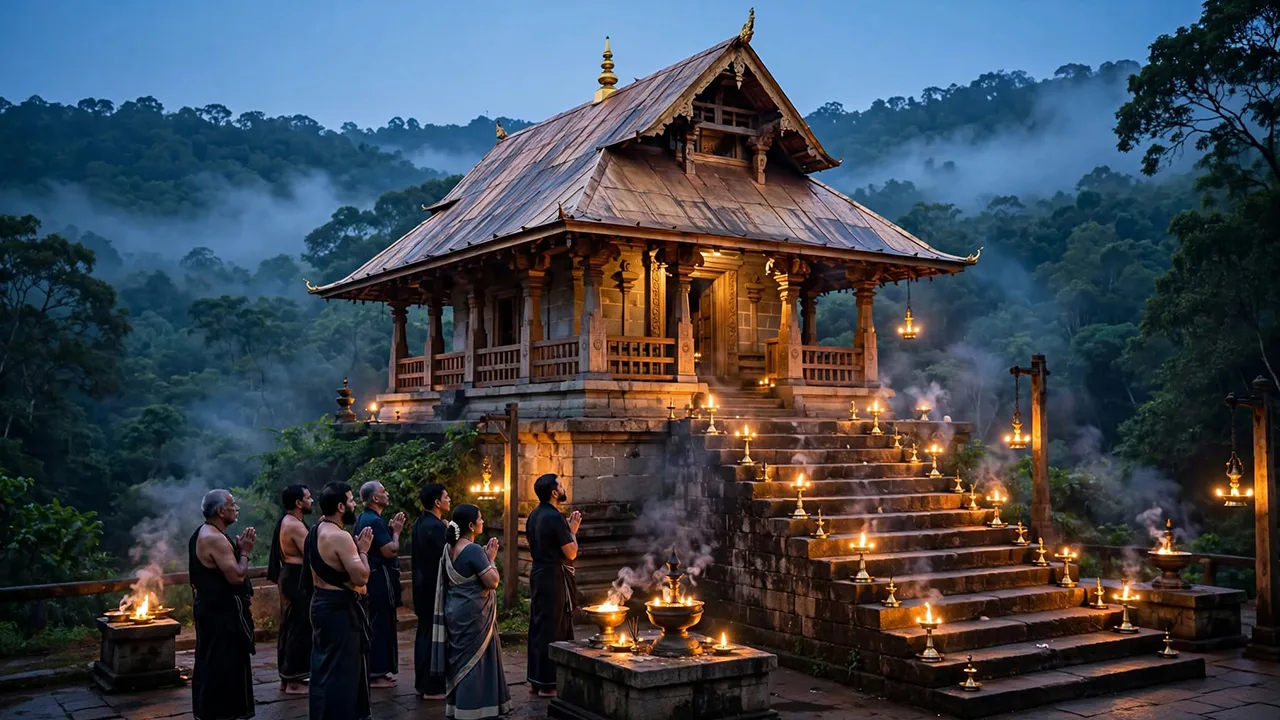
Best Time to Plan a Sabarimala Pilgrimage
The temple does not remain open continuously throughout the year. It opens during specific pilgrimage and festival periods, including Mandalapooja, Makaravilakku, Vishu and the first day of each Malayalam month.
The Mandala-Makaravilakku period is especially significant for devotees.
Because dates and operational arrangements can change, always verify the latest official schedule before booking transportation, accommodation or a Sabarimala pilgrimage tour.
Sabarimala Travel Tips for First-Time Pilgrims
A first-time Sabarimala pilgrimage requires some preparation.
Keep these points in mind:
- Follow the prescribed pilgrimage traditions and temple instructions.
- Check the latest opening dates and pooja schedules.
- Prepare physically for walking and climbing.
- Wear comfortable and appropriate clothing.
- Follow queue and security procedures.
- Carry identification and essential personal items.
- Take sufficient rest during the climb.
- Keep the pilgrimage routes clean.
- Use only authorised services and facilities.
- Follow instructions from temple authorities, police and other officials.
The official guidelines also advise pilgrims to use designated facilities, follow security checks and avoid smoking, alcohol and unauthorised services.
Facilities Available for Pilgrims
Sabarimala provides various facilities intended to support devotees during the pilgrimage.
These include food and accommodation facilities, toilets, medical assistance and other pilgrim services around areas such as Pampa, Nilakkal and Sannidhanam.
However, facilities can become busy during peak pilgrimage periods. Travellers should therefore plan ahead and allow additional time for queues and movement.
How to Plan Your Sabarimala Pilgrimage Tour
A well-planned Sabarimala pilgrimage tour should consider more than just reaching the temple.
Start by checking the official pilgrimage dates and current travel instructions. Then plan transportation, accommodation and the route according to the needs of your group.
If you are travelling with elderly family members or first-time pilgrims, allow additional time for rest and choose arrangements that reduce unnecessary travel stress.
A customised pilgrimage itinerary can also help combine Sabarimala with other spiritual destinations in Kerala, depending on the duration of your journey.
For travellers looking for customised spiritual journeys, explore Pikme spiritual travel experiences for ideas on planning a comfortable pilgrimage.
Sabarimala Ayyappa Temple: A Journey Beyond Travel
A visit to Sabarimala Ayyappa Temple is much more than reaching a destination. The Vrutham, Mala, Irumudi Kettu, trek, sacred steps and temple rituals together create a pilgrimage experience centred on devotion and discipline.
For devotees of Lord Ayyappa, the journey can become a deeply personal spiritual experience. For first-time pilgrims, understanding the traditions and practical requirements beforehand can make the journey more organised and meaningful.
Whether you are planning your first Sabarimala Yatra or returning as a devoted pilgrim, careful preparation and respect for the temple’s traditions can help make the journey memorable.
Frequently Asked Questions About Sabarimala Ayyappa Temple
Where is Sabarimala Ayyappa Temple located?
Sabarimala Ayyappa Temple is located on Sabarimala hill in Pathanamthitta district of Kerala, at an elevation of around 3,000 feet.
What is Mandala Vrutham?
Mandala Vrutham is the traditional 41-day period of discipline and devotion undertaken by many Ayyappa devotees before the Sabarimala pilgrimage.
What is Irumudi Kettu?
Irumudi Kettu is a sacred bundle prepared for the Sabarimala pilgrimage under the guidance of a Guru Swami. Devotees carrying it are traditionally permitted to climb the Pathinettampadi.
What is Pathinettampadi?
Pathinettampadi refers to the eighteen sacred steps at Sabarimala. Pilgrims follow designated procedures and temple instructions when approaching the steps.
When is Sabarimala open?
Sabarimala opens during specified pilgrimage and festival periods rather than throughout the entire year. These include Mandalapooja, Makaravilakku, Vishu and the first day of each Malayalam month. Always verify the current official schedule before travelling.
Is Sabarimala suitable for first-time pilgrims? Yes, but first-time pilgrims should prepare for walking, follow the traditional practices and check the latest official travel and temple instructions before beginning the journey.
