


India’s pilgrimage destinations attract travellers of every age and ability. For many devotees, however, reaching a temple can involve long walks, steps, uneven pathways, crowded areas or difficult terrain.
Senior citizens, persons with disabilities, travellers recovering from an injury and anyone with limited mobility may therefore need to plan their pilgrimage differently.
The good news is that several major pilgrimage destinations provide different forms of assistance and transport. The exact facilities vary from one temple or pilgrimage centre to another, so travellers should always confirm the current arrangements before travelling.
Also Read: Ayodhya Ram Mandir: History, Places to Visit & Complete Travel Guide
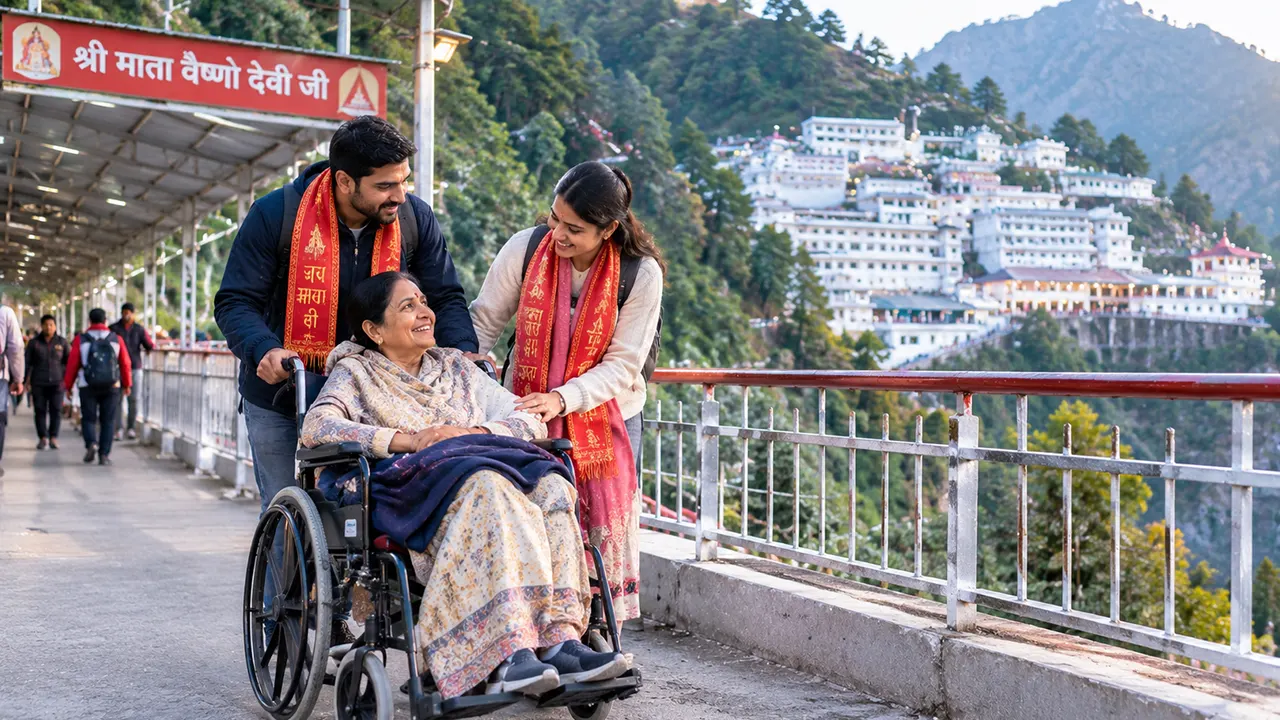
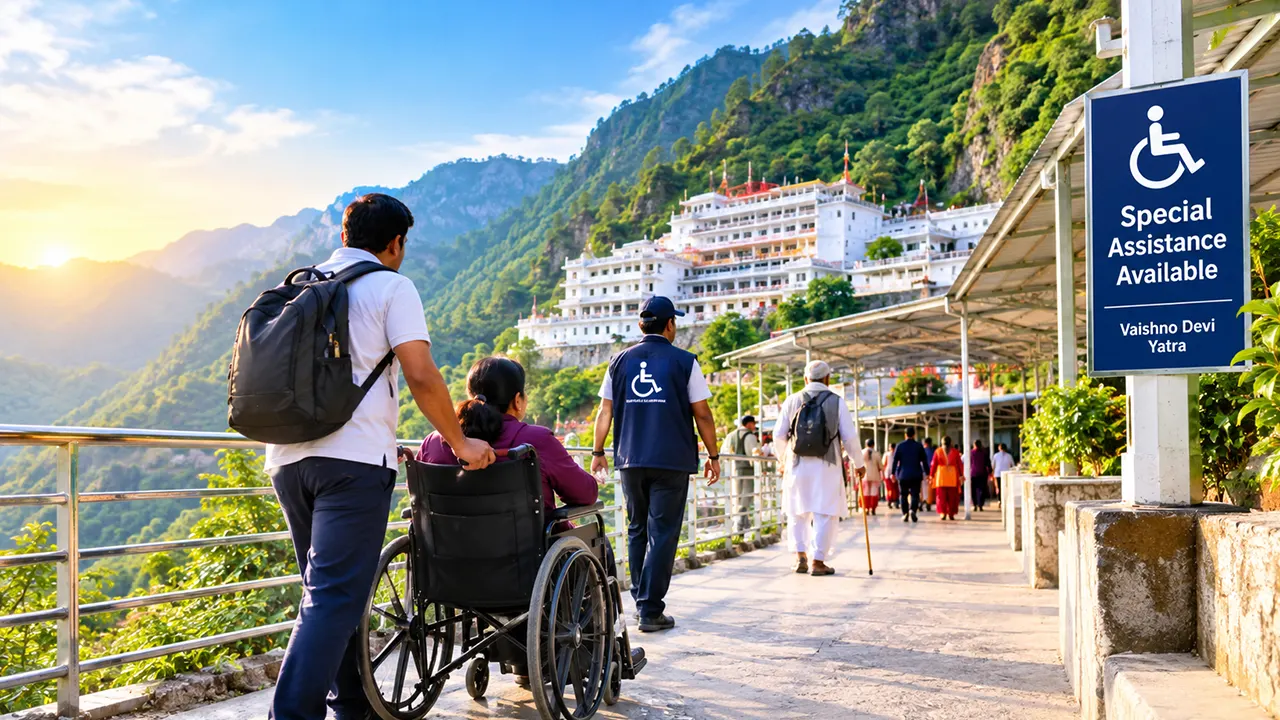
Wheelchair Assistance
Wheelchairs can be particularly useful for elderly pilgrims and travellers who cannot walk long distances.
However, wheelchair accessibility is not limited to the temple entrance. A traveller should consider the complete route from the vehicle drop-off point to the temple, including ramps, corridors, queues, waiting areas and the distance that may still need to be covered inside the complex.
Before travelling, confirm whether wheelchairs are available at the destination or whether it is preferable to bring a personal wheelchair.
Families travelling with a wheelchair user should also check whether their hotel, local vehicle and other planned stops are suitable for wheelchair access.
Battery Cars and Electric Vehicles
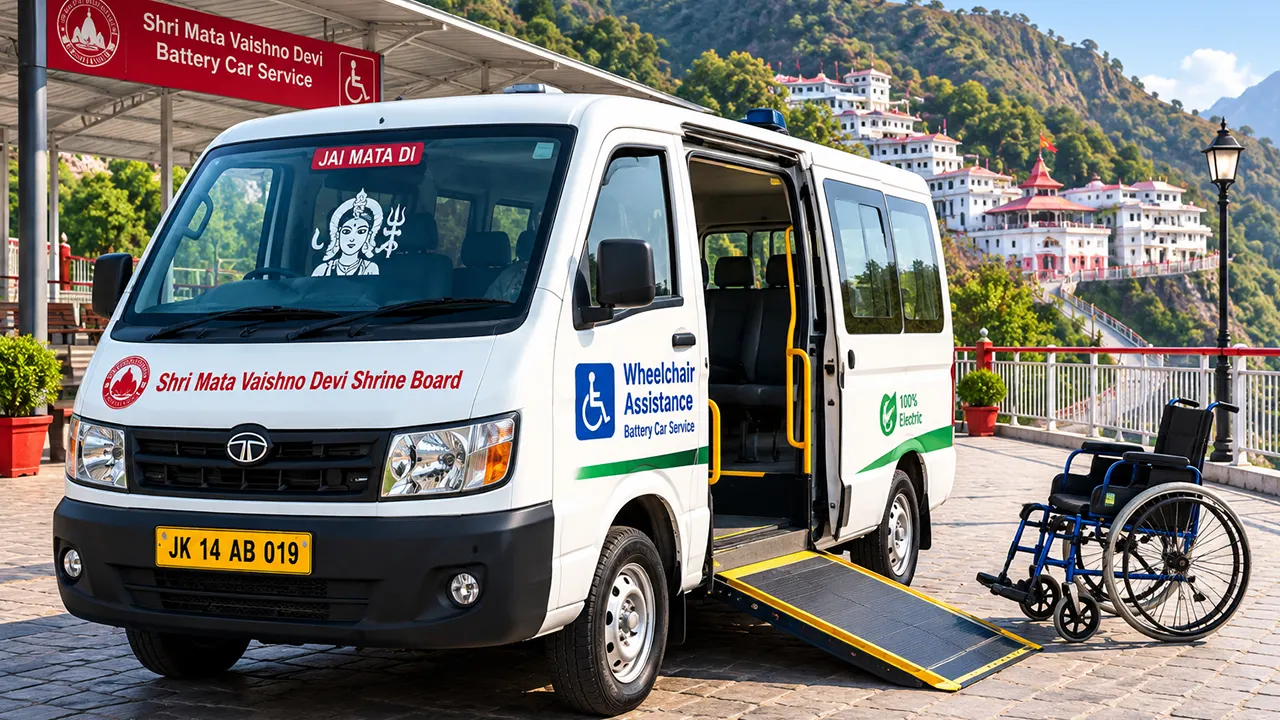
Some pilgrimage destinations provide battery-operated vehicles to reduce the amount of walking required.
These services can be particularly useful for senior citizens and pilgrims with limited mobility. They may operate only on particular routes, however, and availability can depend on the destination, operating hours, weather, crowd levels or other local conditions.
Travellers should therefore check the official information for the particular pilgrimage destination instead of assuming that battery-car service will be available throughout the journey.
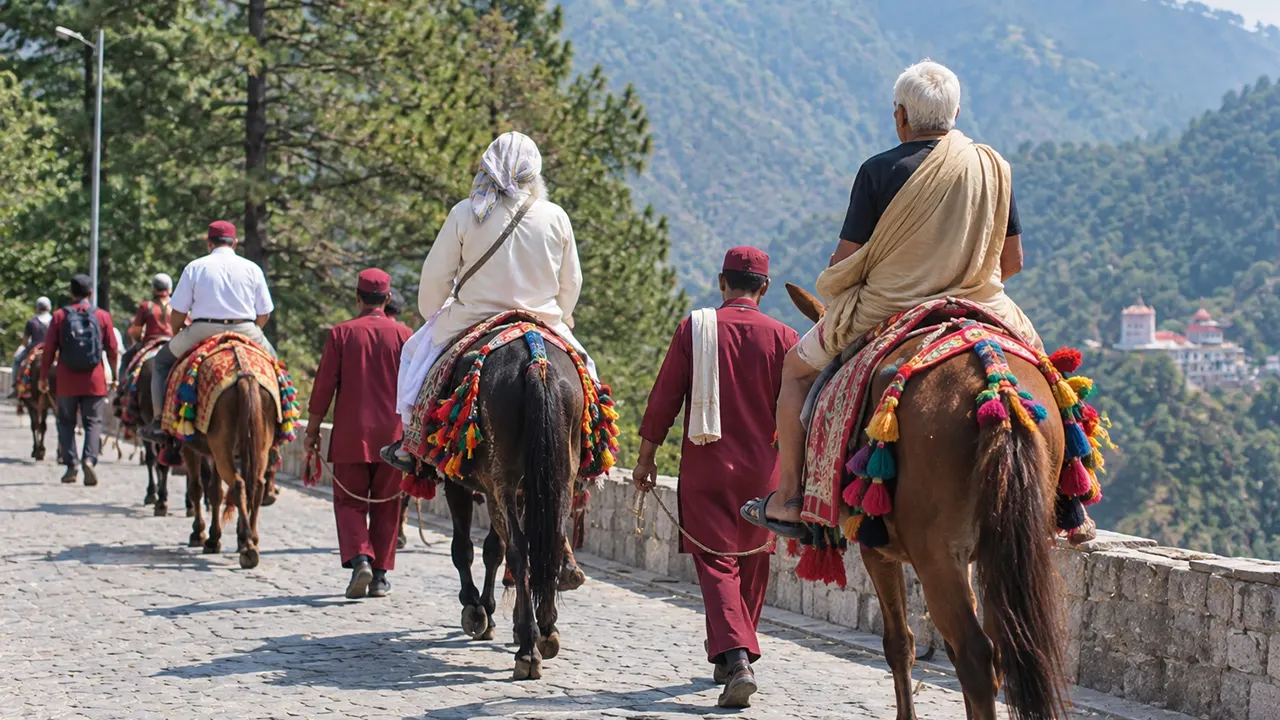
Doli, Palki and Palanquin Services
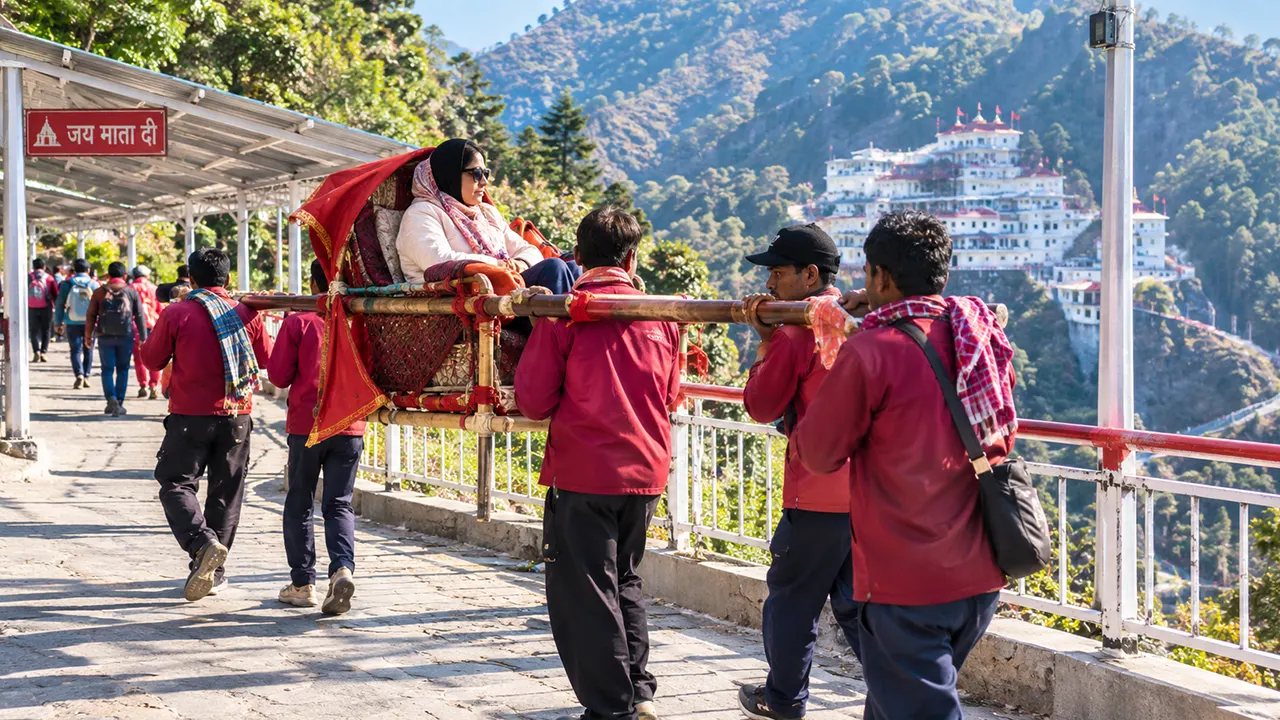
For pilgrimage routes involving substantial walking or steep terrain, Doli, Palki or palanquin services can provide another mobility option where officially available.
These services may be useful for pilgrims who are unable to complete the route on foot but still wish to visit the shrine.
The arrangements differ between destinations. Travellers should check the authorised service providers, routes, rates and booking procedures before starting the journey.
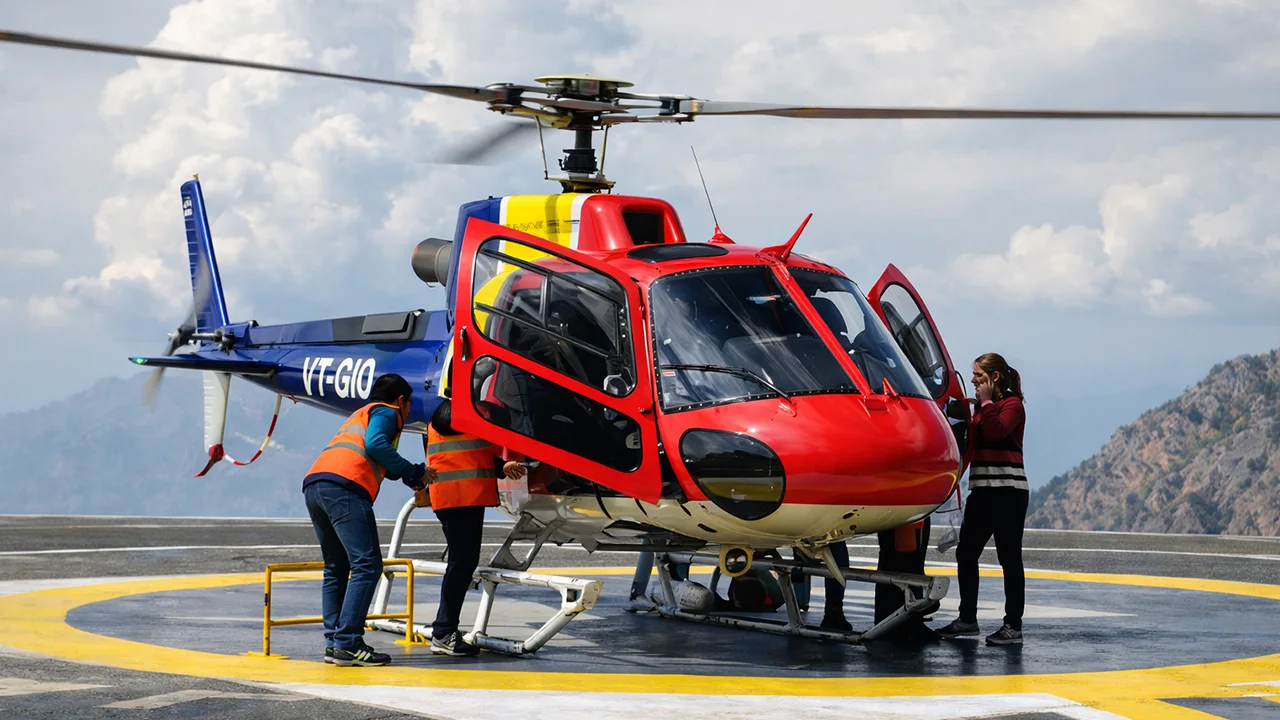
Helicopter and Chopper Services
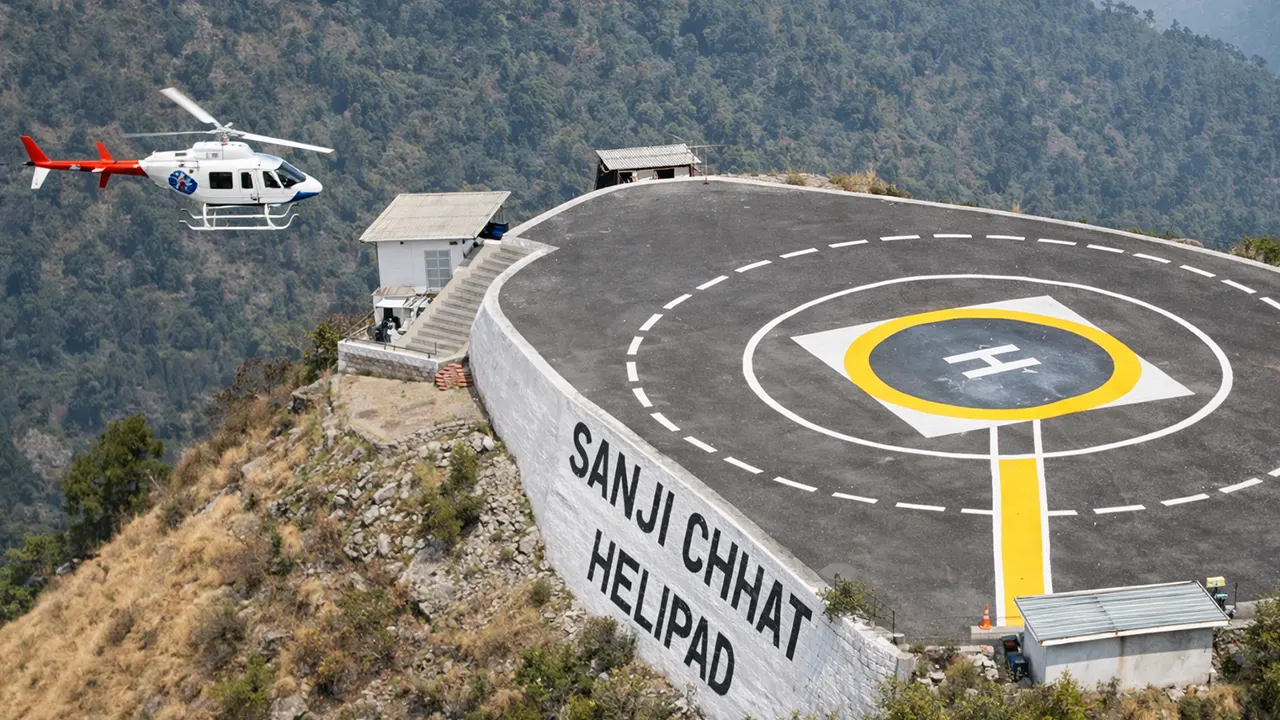
Certain pilgrimage destinations offer helicopter services that can reduce the amount of difficult ground travel.
Vaishno Devi is one example. The Shri Mata Vaishno Devi Shrine Board lists helicopter travel between Katra and Sanjichhat as one of the available travel options. It also lists battery-car services for pilgrims.
Such services can be particularly relevant when a pilgrimage involves a long or demanding approach route. They should nevertheless be treated as destination-specific facilities rather than a standard service available at every temple.
Weather and operational conditions can also affect helicopter services, so travellers should check the official source close to the date of travel.
Special Darshan Arrangements
Darshan planning is another important consideration for senior citizens and persons with disabilities.
Some temple authorities have dedicated arrangements for these pilgrims. Tirumala Tirupati Devasthanams, for example, currently provides a specific booking category for differently abled and senior-citizen pilgrims, with documentation requirements and an attendant provision.
Other pilgrimage centres may have different systems, such as designated queues, waiting areas, assisted movement or special entry procedures.
Because these arrangements can change, travellers should always check the temple authority’s current rules before making travel plans.
Senior Citizen Support
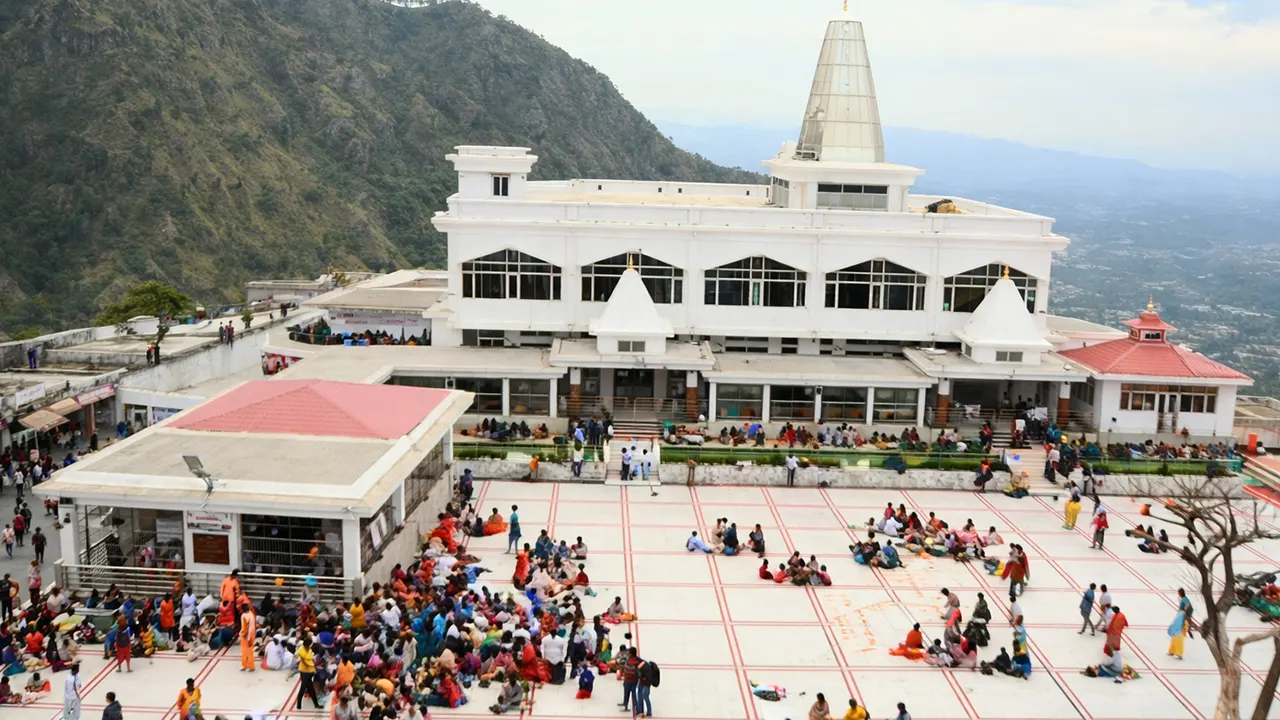
Older pilgrims may not require a wheelchair but may still find long queues, extensive walking or a tightly scheduled itinerary difficult.
A senior-friendly pilgrimage can therefore include:
- Shorter walking stretches where possible
- Frequent rest breaks
- Convenient accommodation
- Suitable local transport
- Assistance with luggage and transfers
- Flexible Darshan planning
- Easy access to food, water and medicines
- A companion or travel professional who understands the traveller’s requirements
The objective is not simply to reach the temple. It is to make the complete journey manageable.
Support for Persons With Disabilities
Disability can involve very different mobility and assistance requirements.
A wheelchair user may need step-free access, while another traveller may be able to walk short distances but require a mobility vehicle for longer stretches. Someone with a visual or other disability may need a companion or additional guidance.
For this reason, accessibility should be planned around the individual traveller rather than using a single solution for everyone.
Before booking, families should identify exactly what the traveller can manage independently and where assistance is required.
Dedicated Travel Companions and On-Ground Assistance
Some travellers benefit from having a dedicated travel companion or on-ground support person throughout the pilgrimage.
This can be useful for older travellers, persons with disabilities and families who want help coordinating multiple parts of a journey.
A travel companion may assist with practical matters such as navigation, transfers, communication, luggage, coordination with local services and keeping the itinerary aligned with the traveller’s needs.
The level of support should be agreed in advance so that families know what assistance is included.
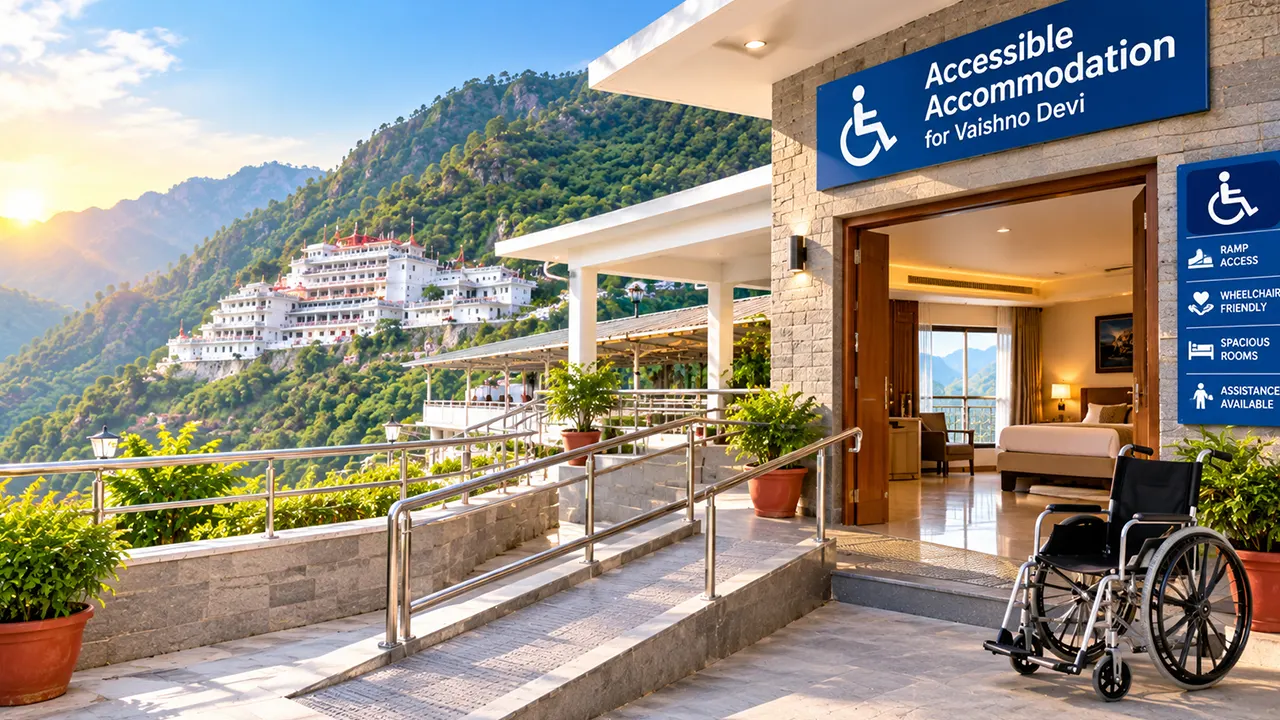
Accessible Accommodation
A comfortable hotel can make a significant difference to a pilgrimage experience.
When booking accommodation, travellers should consider more than simply the distance from the temple. Important questions include:
- Is there a lift?
- Is the entrance easy to access?
- Is a suitable room available?
- Can the vehicle reach the hotel entrance?
- Is the bathroom practical for the traveller?
- Is there a comfortable place to rest?
- How far is the hotel from the main transport point?
For a traveller with limited mobility, reducing unnecessary movement between accommodation, transport and the temple can make the entire journey easier.
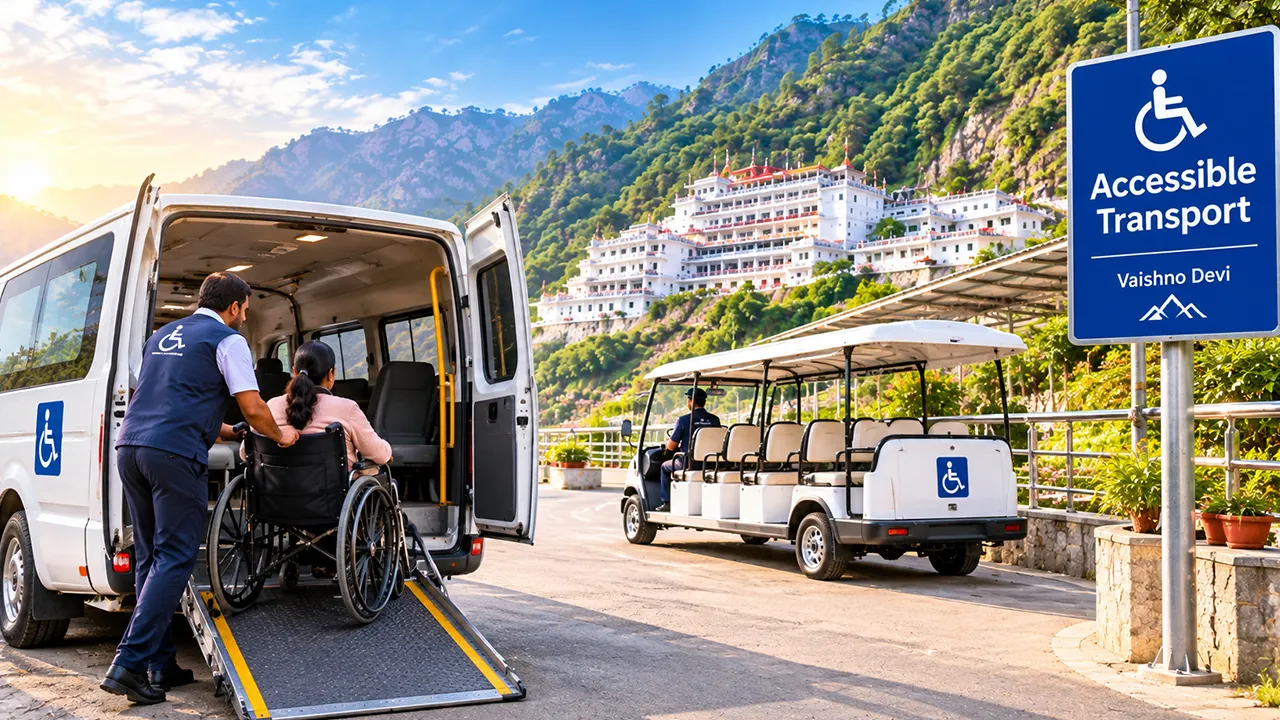
Accessible Transport During the Journey
Accessibility needs to be considered from the beginning of the trip.
A traveller may require assistance at an airport or railway station, a suitable vehicle for local transfers and convenient drop-off points near the accommodation or pilgrimage centre.
Families should also consider luggage. Heavy bags can create an unnecessary burden when a traveller already needs mobility assistance.
A well-coordinated itinerary can reduce repeated transfers and make the journey less tiring.
Medical and Emergency Planning
Pilgrimage travel can involve long journeys, changing weather, crowds and physical exertion.
Travellers with existing mobility limitations should carry their required medicines and relevant medical information. Families should also know where medical facilities are located along the route.
Major pilgrimage centres may have medical facilities for devotees. For example, the Shri Mata Vaishno Devi Shrine Board lists medical centres and hospital facilities at several locations along its pilgrimage route.
This does not replace normal medical planning, but knowing where assistance is available can provide useful peace of mind.
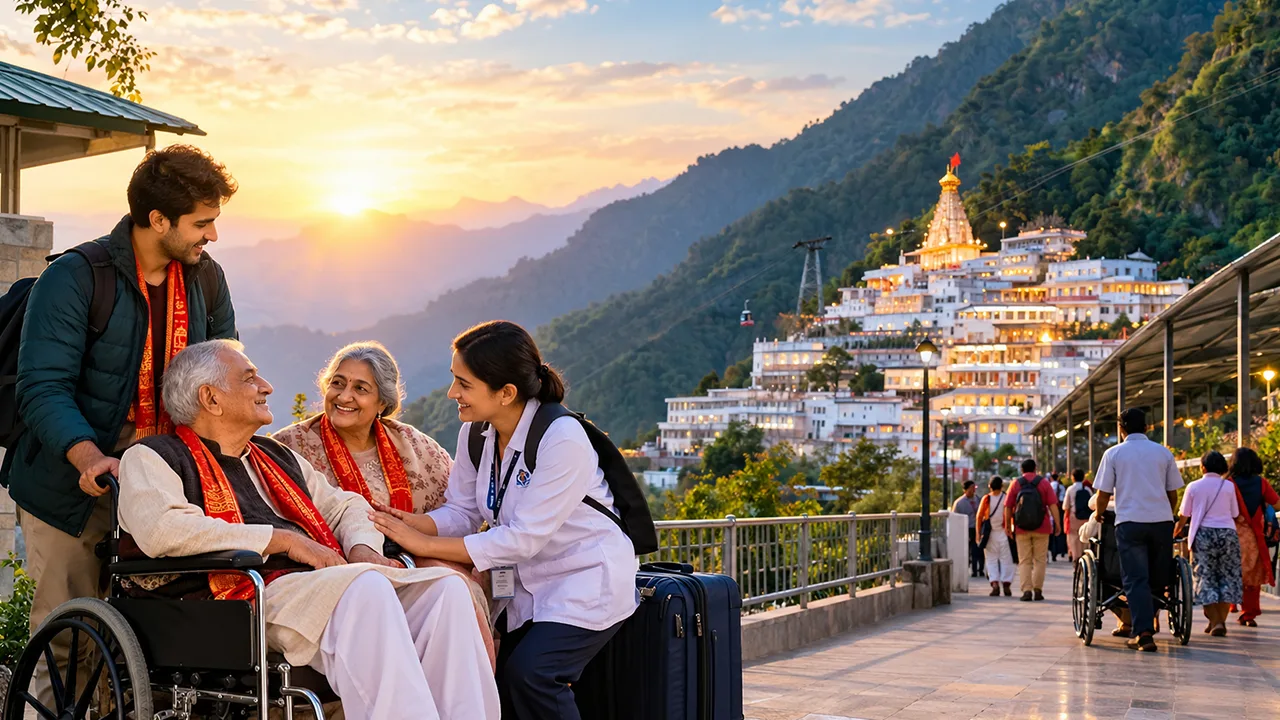
Plan According to the Temple, Not a Generic Accessibility Checklist
One of the most important rules for accessible pilgrimage travel is that no two destinations should be assumed to be the same.
One temple may have wheelchairs and ramps. Another may have battery vehicles. A hill shrine may offer a helicopter, palanquin or ropeway. Another destination may require considerably more walking.
Even services that exist may have specific operating times, routes, booking procedures, eligibility requirements or availability restrictions.
Therefore, accessibility planning should always begin with the official information for the particular pilgrimage destination.
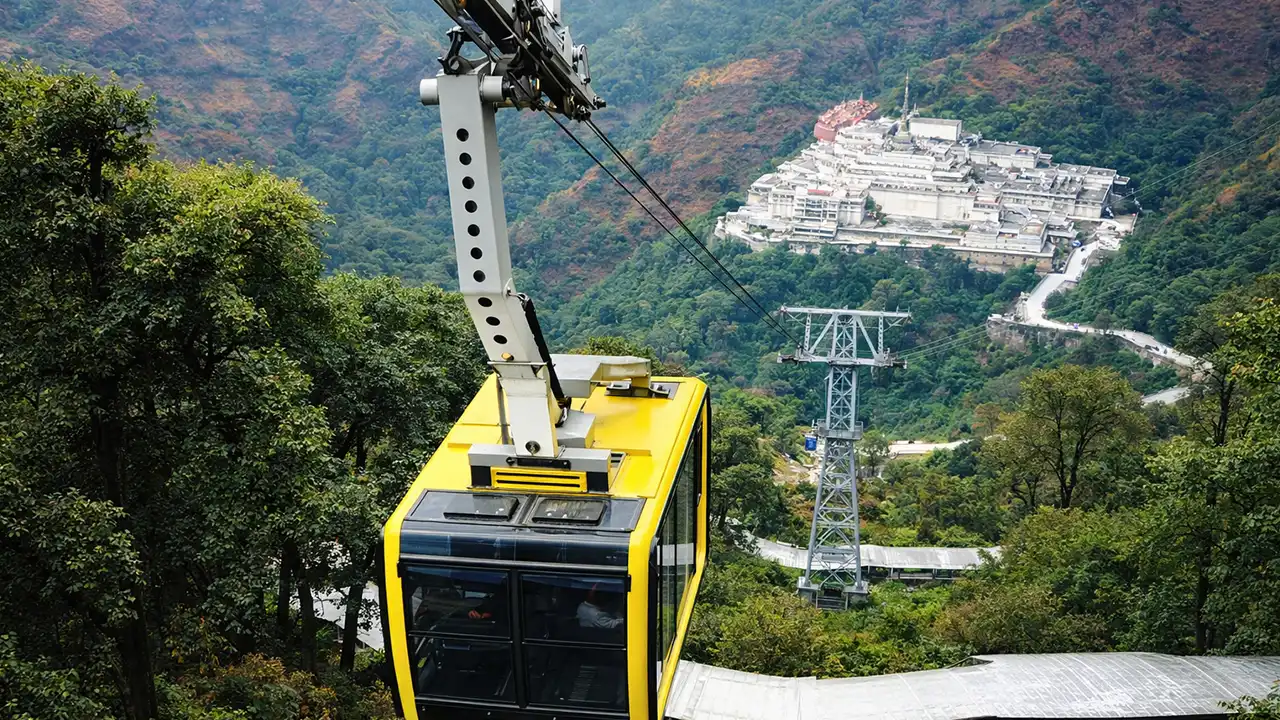
Examples of Different Types of Support
The range of facilities available at major pilgrimage centres shows why destination-specific planning matters.
At Vaishno Devi, the Shrine Board lists helicopter and battery-car travel options, as well as palanquins and other pilgrim facilities.
At Tirumala, the temple administration provides specific arrangements for senior citizens and differently abled pilgrims, including designated Darshan procedures and transport support.
These examples should not be taken to mean that identical facilities exist at every temple. Instead, they demonstrate the importance of checking what each destination actually provides.
What to Confirm Before Booking
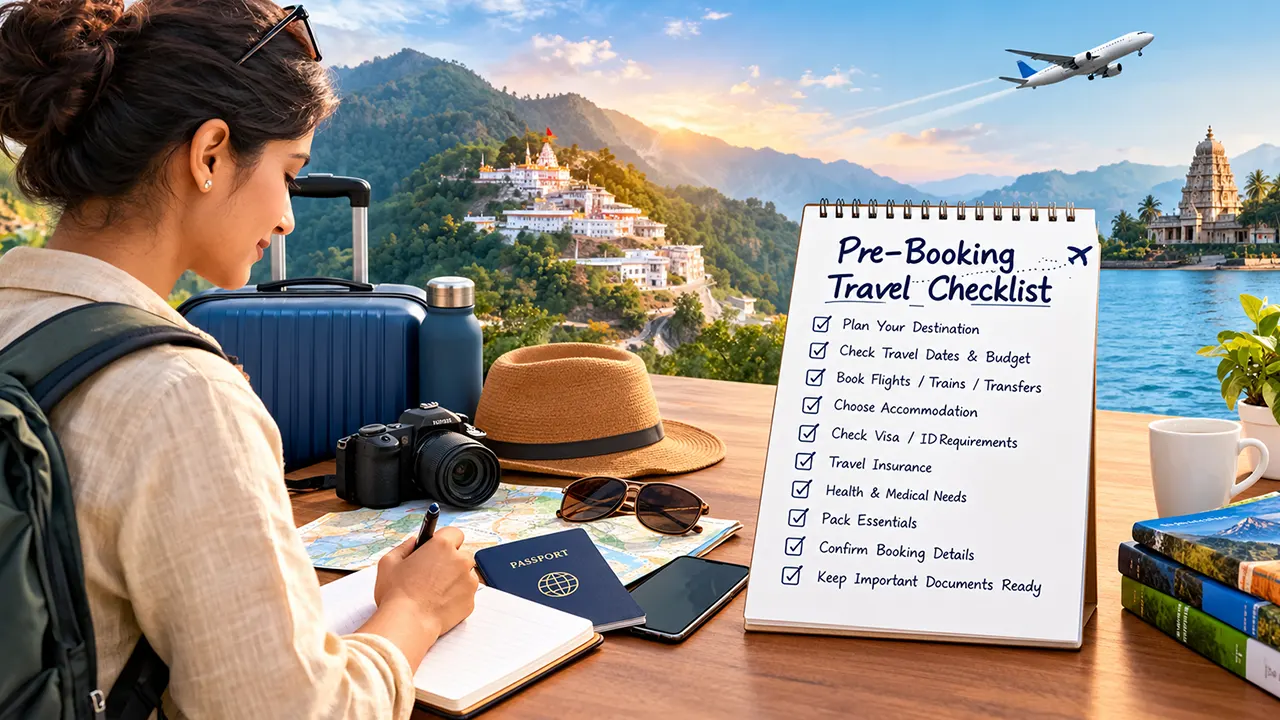
Before finalising an accessible or senior-friendly pilgrimage, travellers should confirm:
- Walking distance from the nearest vehicle point
- Number of steps or steep sections
- Wheelchair availability
- Battery-car or other assisted transport
- Doli, Palki or palanquin options where applicable
- Helicopter or ropeway services where applicable
- Darshan registration and eligibility requirements
- Accommodation accessibility
- Availability of suitable local vehicles
- Medical facilities and emergency contacts
- Whether services need advance booking
- Current operating conditions and restrictions
It is also useful to keep official contact details for the temple or pilgrimage authority available during the journey.
Making Pilgrimage Travel More Comfortable
Accessible pilgrimage travel is not about removing every physical challenge from a journey. It is about understanding those challenges in advance and arranging suitable support.
For one traveller, that may mean a wheelchair and accessible hotel. For another, it may mean a battery car and additional rest time. Someone else may need a Doli, a helicopter connection or a dedicated travel companion.
The right arrangement depends on the individual, the destination and the facilities available there.
With advance planning, families can spend less time worrying about logistics and more time experiencing the spiritual and cultural significance of India’s pilgrimage destinations.
Plan the Journey Around the Traveller
The most useful approach is to begin with the traveller rather than the temple.
Understand their mobility, identify the parts of the journey that may be difficult, check the official facilities available at the destination and then build the itinerary around those requirements.
For senior citizens and persons with disabilities, thoughtful planning can turn a physically demanding pilgrimage into a journey that is more comfortable, organised and dignified. Pikme can help travellers and families explore pilgrimage arrangements based on their individual requirements, destination and preferred level of assistance.
